


Understanding the Impact of Adding Air Hose Fittings on Tractor Trailer Brake Imbalance

Tractor trailers rely heavily on their air brake systems to ensure safe and effective stopping power. Any change to this system, including adding fittings to air hoses, can affect how the brakes perform. One common but often overlooked issue is brake imbalance, which can cause uneven braking force between wheels. This post explores how adding fittings to air hoses can lead to brake imbalance, why it matters, and what drivers and fleet managers should watch for.

How Air Brake Systems Work on Tractor Trailers
Air brake systems use compressed air to apply pressure to brake chambers, which then push brake shoes or pads against the wheels. The system depends on consistent air pressure and flow through hoses and fittings to deliver equal braking force to all wheels.
The air hoses connect various parts of the system, including the tractor and trailer, and carry pressurized air. Fittings join these hoses or connect them to other components. The design and condition of these fittings affect air flow and pressure.
Why Adding Fittings Can Cause Brake Imbalance
Adding extra fittings to air hoses might seem like a simple fix or upgrade, but it can introduce problems:
Increased Air Flow Resistance
Each fitting adds a small restriction to the air flow. When multiple fittings are added, the cumulative resistance can reduce the air pressure reaching some brake chambers.
Uneven Pressure Distribution
If fittings are added unevenly on one side of the trailer or tractor, the air pressure may drop more on that side. This causes the brakes on that side to apply less force compared to the other side.
Leaks and Connection Issues
More fittings mean more connection points, which increases the risk of leaks. Even minor leaks can reduce air pressure and cause imbalance.
Delayed Brake Response
Extra fittings can slow the air pressure build-up in brake chambers, causing some brakes to engage later than others. This timing difference affects vehicle stability during braking.
Real-World Example of Brake Imbalance from Added Fittings
A trucking company added quick-connect fittings to their air hoses to speed up trailer changes. After installation, drivers reported the tractor trailer pulling to one side during braking. Inspection revealed that the fittings on the left side introduced more air flow resistance, reducing brake force on that side. The imbalance caused uneven tire wear and increased the risk of skidding on wet roads.
Removing the extra fittings and replacing them with fewer, larger-diameter fittings restored balanced braking and improved vehicle control.

How to Prevent Brake Imbalance When Adding Fittings
To avoid brake imbalance caused by air hose fittings, consider these best practices:
Use High-Quality, Low-Resistance Fittings
Choose fittings designed for minimal air flow restriction. Avoid cheap or incompatible parts.
Minimize the Number of Fittings
Only add fittings when absolutely necessary. Each connection point is a potential source of pressure loss or leaks.
Maintain Consistency Across Both Sides
If fittings must be added, ensure they are installed symmetrically on both sides of the brake system to maintain balanced air flow.
Regularly Inspect for Leaks and Wear
Check all fittings and hoses for signs of leaks, cracks, or damage. Replace faulty parts promptly.
Consult Manufacturer Guidelines
Follow the tractor and trailer manufacturer’s recommendations for air brake system modifications.
Signs Your Tractor Trailer May Have Brake Imbalance
Drivers and fleet managers should watch for these warning signs:
Vehicle pulls to one side during braking
Uneven or rapid tire wear on one side
Longer stopping distances or inconsistent brake feel
Audible air leaks near fittings or hoses
Warning lights or error codes related to the brake system
Early detection can prevent accidents and costly repairs.
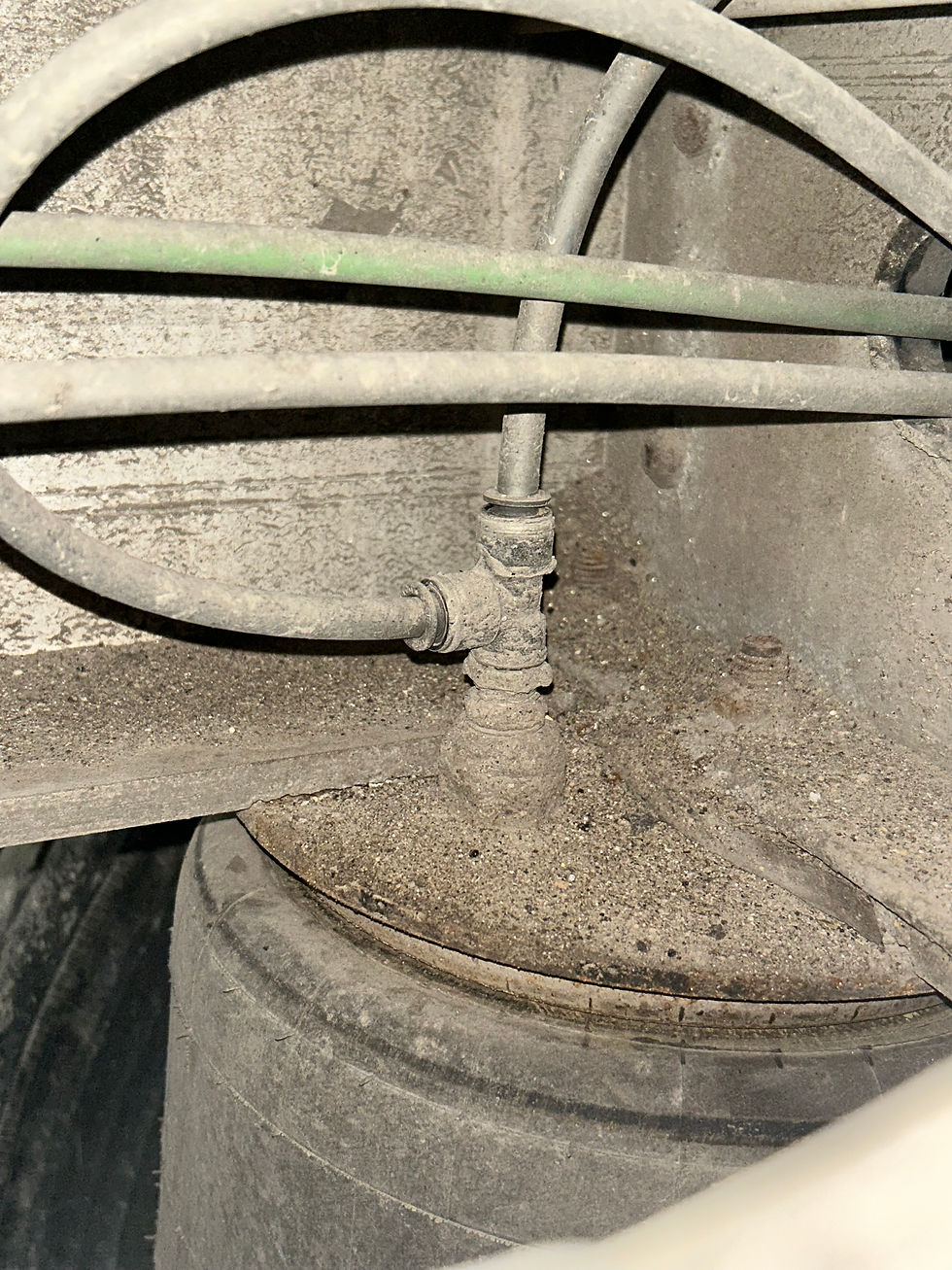
Final Thoughts on Air Hose Fittings and Brake Balance
Adding fittings to air hoses in tractor trailer brake systems can unintentionally cause brake imbalance by restricting air flow, creating leaks, or delaying brake response. This imbalance affects vehicle safety and performance. Careful selection, installation, and maintenance of fittings help maintain balanced braking.


Comments