


Step-by-Step Guide to Replacing U-Joints Like a Pro

Replacing worn or damaged universal joints (u-joints) is a key maintenance task for anyone who wants to keep their vehicle running smoothly. U-joints connect the driveshaft to the transmission and differential, allowing power to transfer while accommodating movement. When these joints fail, you may notice vibrations, clunking noises, or difficulty steering. Fixing u-joints yourself can save money and give you confidence in your vehicle’s condition.
This guide walks you through the entire process of replacing u-joints, with clear steps and practical tips. Whether you’re a beginner or have some mechanical experience, you’ll find this guide easy to follow.
Tools and Materials You Will Need
Before starting, gather the right tools and parts. Having everything ready will make the job smoother.
New u-joints (make sure they match your vehicle’s specifications)
Socket set and wrenches
Needle-nose pliers
Hammer and punch
Grease gun (if your new u-joints are greaseable)
Safety glasses and gloves
Jack and jack stands or a vehicle lift
Torque wrench
Shop rags or paper towels
Check your vehicle’s manual for any specific requirements or torque settings.
Preparing Your Vehicle
Safety is the top priority. Follow these steps to prepare:
Park your vehicle on a flat surface and engage the parking brake.
Loosen the lug nuts on the wheels if you need to remove the driveshaft.
Use a jack to lift the vehicle and secure it with jack stands.
Remove the driveshaft carefully. Depending on your vehicle, you may need to unbolt it from the differential or transmission flange.
Keep track of all bolts and parts as you remove them.
Removing the Old U-Joints
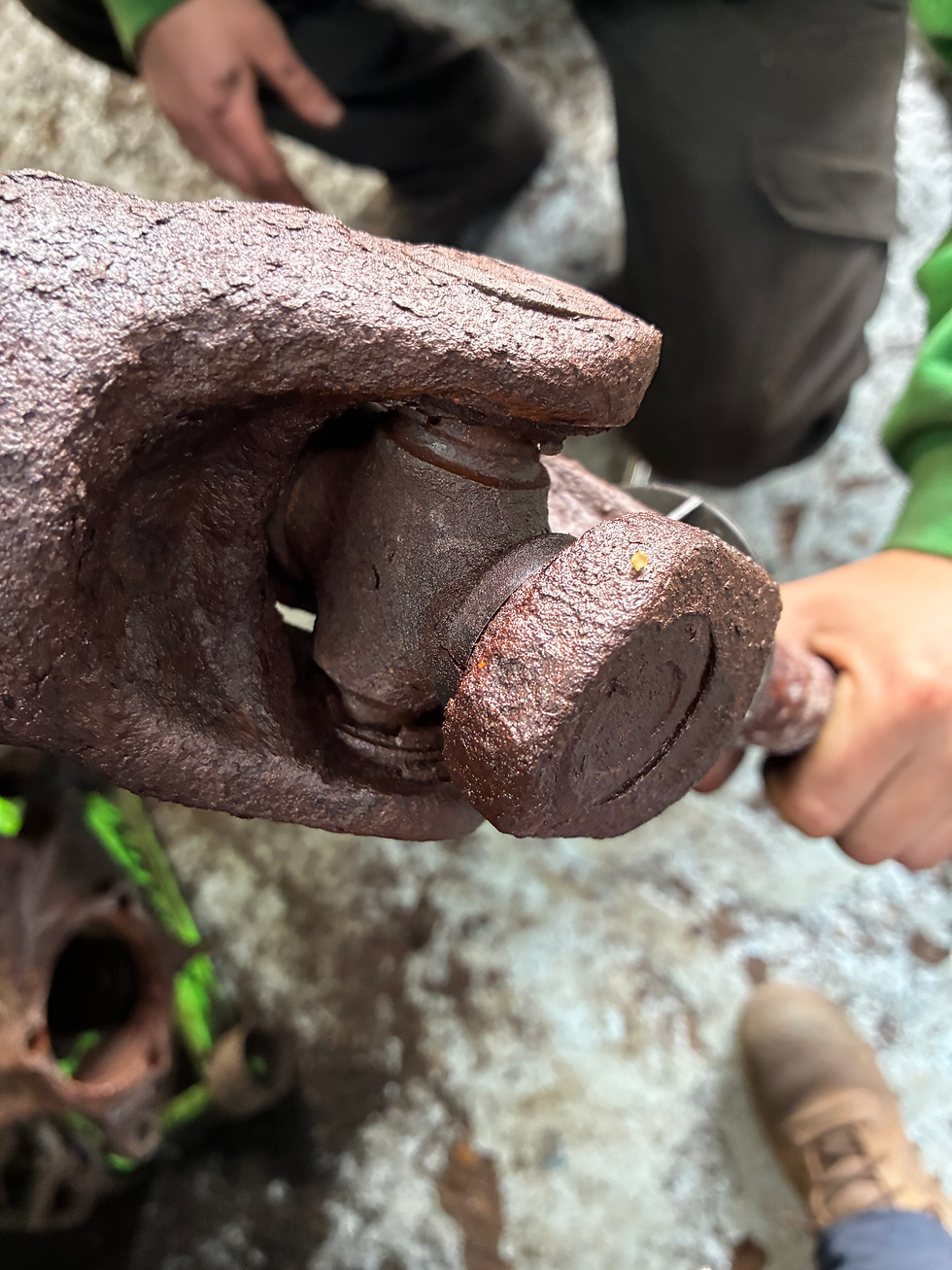
The u-joints are held in place by retaining clips and caps. Here’s how to remove them:
Use needle-nose pliers to remove the retaining clips from the u-joint caps.
Place the driveshaft on a sturdy workbench or support it securely.
Use a hammer and punch to tap out the u-joint caps. Work slowly and evenly to avoid damaging the driveshaft yoke.
Once the caps are removed, the u-joint cross should come free.
Inspect the driveshaft yoke for any damage or wear before installing new parts.

Installing the New U-Joints
Installing new u-joints requires care to ensure proper fit and function:
Clean the yoke and bearing surfaces thoroughly.
Insert the new u-joint cross into the yoke.
Place the new caps over the u-joint trunnions.
Press or tap the caps into place evenly. Avoid forcing them, as this can damage the bearings.
Install the new retaining clips securely in their grooves.
If your u-joints are greaseable, apply grease using a grease gun until you see fresh grease coming out of the seals.
Double-check that the u-joint moves smoothly without binding.
Reinstalling the Driveshaft and Final Checks
After installing the new u-joints, put the driveshaft back on the vehicle:
Align the driveshaft with the transmission and differential flanges.
Tighten the bolts to the manufacturer’s torque specifications using a torque wrench.
Reinstall the wheels if removed, and lower the vehicle safely.
Test drive the vehicle at low speeds to check for vibrations or noises.
Inspect the u-joints again after the test drive to ensure everything remains tight and secure.


Comments