


Top Mods to Boost Fuel Mileage for Your Vehicle Amid Rising Fuel Prices

Rising fuel prices hit every driver’s wallet hard. Finding ways to stretch every gallon can make a big difference in monthly expenses. Fortunately, several vehicle modifications can improve fuel efficiency without breaking the bank. These upgrades help your car use fuel more effectively, saving money and reducing environmental impact.
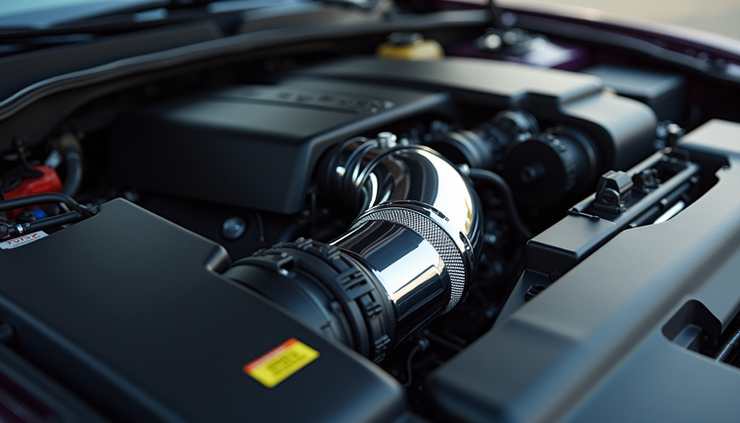
Upgrade Your Air Intake System
One of the simplest and most effective mods is upgrading the air intake system. Stock air filters and intakes often restrict airflow, causing the engine to work harder and burn more fuel. Installing a high-flow cold air intake allows cooler, denser air to enter the engine, improving combustion efficiency.
Benefits include:
Increased horsepower and torque
Better throttle response
Improved fuel economy by up to 10% in some cases
Brands like K&N and AEM offer reliable kits that fit most vehicles. Installation is usually straightforward and can be done at home with basic tools.
Switch to Low Rolling Resistance Tires
Tires play a major role in fuel consumption. Standard tires can create significant rolling resistance, forcing the engine to use more power to keep the vehicle moving. Low rolling resistance (LRR) tires reduce this friction, helping your car glide more smoothly on the road.
Key advantages of LRR tires:
Fuel savings of 3-5% on average
Longer tire life due to improved materials
Enhanced traction and safety in many models
Look for tires labeled with “Low Rolling Resistance” or check manufacturer specs. Popular options include Michelin Energy Saver and Bridgestone Ecopia series.

Install a Fuel Management Chip or Tuner
Modern vehicles rely heavily on electronic control units (ECUs) to manage fuel injection and ignition timing. A fuel management chip or tuner can recalibrate these settings to optimize fuel use based on your driving style and conditions.
What this mod offers:
Improved fuel efficiency by adjusting air-fuel mixture
Smoother acceleration and better engine response
Potential power gains without sacrificing mileage
Devices like the Bully Dog GT Platinum or SCT Performance tuners are popular choices. Always ensure compatibility with your vehicle and consult professional installation if unsure.
Use Synthetic Engine Oil
Switching to synthetic engine oil reduces internal engine friction. Synthetic oils maintain viscosity better under heat and pressure, allowing the engine to run more smoothly and efficiently.
Benefits include:
Up to 2% improvement in fuel economy
Longer intervals between oil changes
Better engine protection and longevity
Brands such as Mobil 1 and Castrol offer high-quality synthetic oils suitable for most vehicles.

Keep Your Vehicle Well Maintained
Regular maintenance is a key factor in fuel efficiency. Simple tasks like replacing dirty air filters, keeping tires properly inflated, and using the recommended grade of motor oil can improve mileage noticeably.
Maintenance tips:
Check tire pressure monthly; underinflated tires reduce fuel economy
Replace spark plugs as recommended to ensure efficient combustion
Keep the fuel system clean with periodic injector cleaning
A well-maintained vehicle runs smoother and uses fuel more effectively, saving money over time.
Reduce Excess Weight and Drag
Extra weight and aerodynamic drag increase fuel consumption. Removing unnecessary items from your car and avoiding roof racks or carriers when not needed can help.
Ways to reduce weight and drag:
Clear out heavy tools, sports gear, or other cargo
Remove roof racks or boxes if not in use
Use aerodynamic wheel covers if available
Every 100 pounds of extra weight can reduce fuel economy by about 1-2%, so lightening your load pays off.


Comments