


The Dangers of Mixing Different Coolants in Your Vehicle
- fryejs91
- Feb 6
- 3 min read

When it comes to maintaining your vehicle, coolant plays a crucial role in keeping your engine running smoothly. Many drivers don’t realize that mixing different types of coolant can cause serious problems. This post explains why you should avoid mixing coolants and what risks it poses to your vehicle’s health.
What Is Coolant and Why Is It Important?
Coolant, also known as antifreeze, is a liquid that circulates through your engine to regulate temperature. It prevents the engine from overheating in hot weather and freezing in cold weather. Coolants also protect metal parts from corrosion and help maintain efficient engine performance.
There are several types of coolant available, including:
Inorganic Acid Technology (IAT) – Traditional green coolant, common in older vehicles.
Organic Acid Technology (OAT) – Usually orange or red, designed for newer vehicles.
Hybrid Organic Acid Technology (HOAT) – A mix of IAT and OAT, often yellow or turquoise.
Each type has a unique chemical composition designed to work with specific engine materials and conditions.
Why Mixing Different Coolants Is Risky
Mixing different coolants can cause chemical reactions that reduce their effectiveness or create harmful deposits inside your cooling system. Here are the main dangers:
1. Reduced Cooling Efficiency
Different coolants have different additives. When mixed, these additives can neutralize each other, reducing the coolant’s ability to transfer heat. This can cause your engine to run hotter than normal, increasing the risk of overheating.
2. Formation of Sludge and Deposits
When incompatible coolants mix, they can form sludge or gel-like substances. This sludge can clog radiator passages, heater cores, and coolant channels inside the engine. Blockages reduce coolant flow and cause uneven cooling, which may lead to engine damage.
3. Corrosion and Damage to Engine Components
Coolants contain corrosion inhibitors tailored to protect specific metals in your engine. Mixing coolants can cause these inhibitors to break down, exposing metal parts to rust and corrosion. Corrosion can damage the radiator, water pump, and engine block, leading to costly repairs.
4. Voiding Vehicle Warranty
Many vehicle manufacturers specify the type of coolant to use. Mixing coolants or using the wrong type can void your warranty, leaving you responsible for repair costs.
Real-Life Examples of Coolant Mixing Problems
A driver added a different brand of coolant during a roadside refill. Within months, the engine started overheating due to clogged radiator passages caused by sludge buildup.
Another vehicle owner mixed green IAT coolant with orange OAT coolant. The mixture caused corrosion in the water pump, leading to a sudden failure and expensive replacement.
These examples show how mixing coolants can lead to unexpected and costly issues.

How to Avoid Mixing Coolants
Check Your Owner’s Manual
Your vehicle’s manual specifies the recommended coolant type. Always follow this guidance to ensure compatibility and protection.
Use the Same Coolant Brand and Type
If you need to top up or replace coolant, use the same type and brand already in your vehicle. This helps maintain chemical balance and prevents reactions.
Flush the Cooling System Before Switching Coolants
If you want to change coolant types, have a professional flush the entire cooling system first. This removes old coolant and prevents mixing.
Keep Coolant Containers Sealed and Stored Properly
Coolants can degrade if exposed to air or contaminants. Store coolant in sealed containers and avoid mixing different types in the same container.
Signs You May Have Mixed Coolants
Engine temperature gauge reads higher than normal
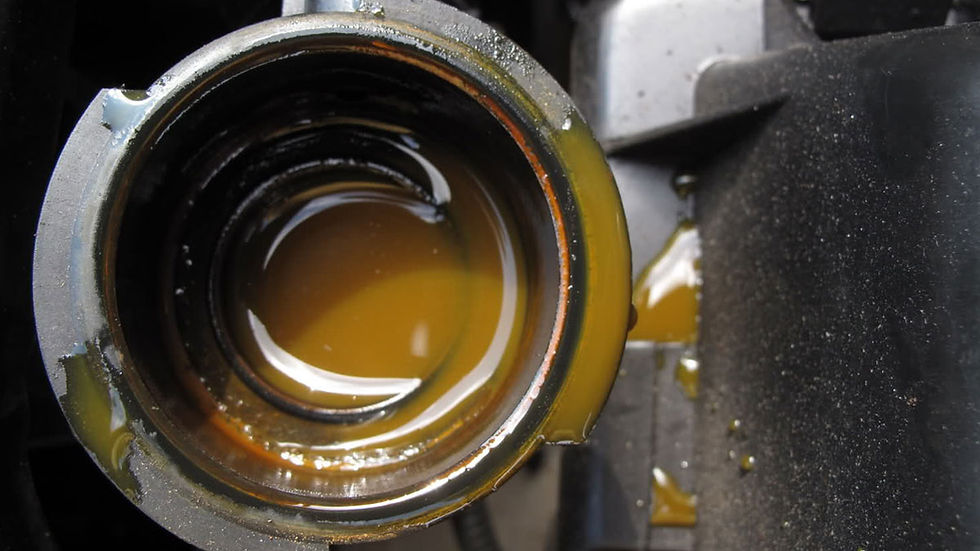
Coolant appears cloudy, sludgy, or has a gel-like texture
Heater stops blowing warm air
Visible leaks or corrosion around radiator and hoses
If you notice these signs, have your cooling system inspected immediately.
What to Do If You Accidentally Mix Coolants
If you realize you have mixed coolants, don’t ignore it. The best step is to have a professional mechanic flush and refill your cooling system with the correct coolant. This prevents damage and restores proper engine cooling.
Final Thoughts on Coolant Mixing
Mixing different coolants in your vehicle can cause overheating, corrosion, and costly repairs. Always use the coolant type recommended by your manufacturer and avoid mixing brands or formulas. Regular maintenance and coolant checks help keep your engine running safely and efficiently.


Comments