


Gas vs Diesel Engines: Which Is Better?
- fryejs91
- Dec 2, 2025
- 3 min read

When it comes to choosing a vehicle or machinery, one of the most common debates is between gas and diesel engines. Both have their unique strengths and weaknesses, making the decision a bit complex. This article dives deep into the gas vs diesel comparison to help you understand which engine type might be better suited for your needs.
Understanding the Basics: Gas vs Diesel Comparison
Gasoline and diesel engines operate on different principles, which significantly affect their performance, efficiency, and maintenance. Gas engines use spark plugs to ignite a mixture of air and fuel, while diesel engines rely on compression to ignite the fuel.
Key Differences
Fuel Type: Gasoline vs Diesel fuel
Ignition Method: Spark ignition vs Compression ignition
Efficiency: Diesel engines generally offer better fuel economy
Power Output: Diesel engines produce more torque, ideal for heavy-duty tasks
For example, a gas engine in a compact car might provide smoother acceleration and quieter operation, while a diesel engine in a pickup truck offers more torque for towing heavy loads.
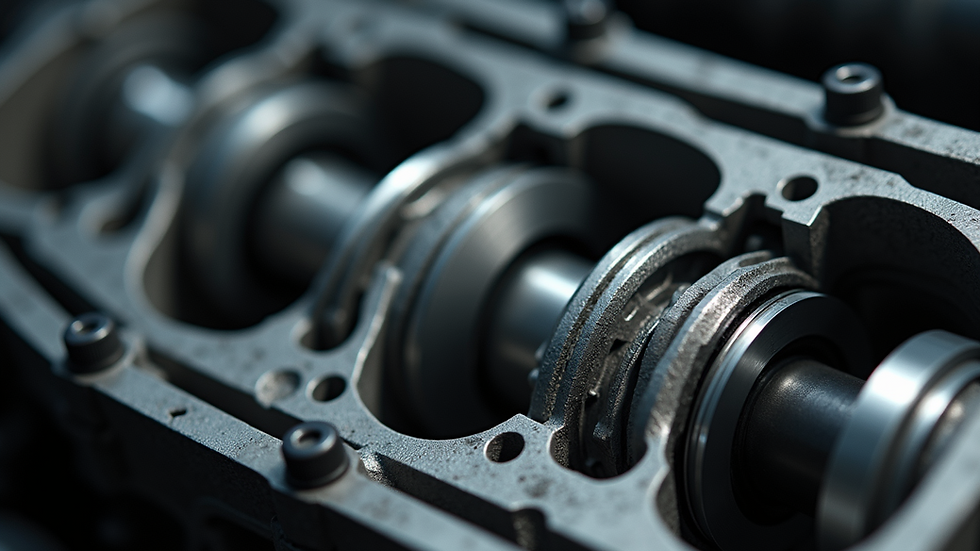
Close-up view of a diesel engine block showing pistons
Performance and Efficiency: What Sets Them Apart?
When comparing gas vs diesel engines, performance and fuel efficiency are often the deciding factors.
Fuel Economy
Diesel engines are known for their superior fuel economy. They extract more energy from a gallon of fuel due to higher compression ratios and leaner air-fuel mixtures. This makes diesel vehicles ideal for long-distance driving and commercial use.
Power and Torque
Diesel engines produce higher torque at lower RPMs, which is beneficial for towing and hauling heavy loads. Gas engines, on the other hand, typically offer higher horsepower, making them better for speed and acceleration.
Maintenance and Longevity
Diesel engines are built tougher to withstand higher compression, often resulting in longer engine life. However, they may require more expensive maintenance, such as fuel injector replacements and diesel particulate filter cleaning.
Environmental Impact
Gas engines generally emit less nitrogen oxides (NOx) and particulates but produce more carbon monoxide and hydrocarbons. Diesel engines emit less CO2 but more NOx and particulates, which has led to stricter emission regulations.

Eye-level view of a gas engine compartment in a car
What are three disadvantages of diesel engines?
While diesel engines have many advantages, they also come with some drawbacks that are important to consider.
Higher Initial Cost
Diesel vehicles often cost more upfront due to their robust construction and advanced fuel systems.
Noise and Vibration
Diesel engines tend to be louder and produce more vibration compared to gas engines, which can affect driving comfort.
Cold Weather Performance
Diesel engines can be harder to start in cold weather because diesel fuel thickens and requires glow plugs or block heaters to aid ignition.
Understanding these disadvantages can help you weigh whether the benefits of diesel outweigh the potential downsides for your specific use case.
Practical Recommendations for Choosing Between Gas and Diesel
Choosing between gas and diesel engines depends on your priorities and usage patterns. Here are some actionable tips:
For Daily Commuting and City Driving: Gas engines are usually better due to lower noise, smoother operation, and cheaper maintenance.
For Heavy-Duty Use and Long Distances: Diesel engines excel in fuel economy and torque, making them ideal for trucks, SUVs, and commercial vehicles.
Consider Fuel Availability and Costs: Diesel fuel prices can fluctuate and may be higher in some regions.
Evaluate Environmental Regulations: Some areas have restrictions on diesel vehicles due to emissions, so check local laws.
Maintenance Budget: Gas engines generally have lower maintenance costs, but diesel engines may last longer if properly maintained.
By analyzing your driving habits and needs, you can make a more informed decision.
Final Thoughts on Gas vs Diesel Engines
The debate between gas and diesel engines is not about which is universally better but which is better for your specific needs. Both engine types have their place in the automotive world, offering unique advantages and challenges.
For those interested in a detailed technical and practical breakdown, exploring resources like gas vs diesel engines can provide further insights.
Ultimately, whether you prioritize fuel economy, power, maintenance, or environmental impact, understanding the nuances of gas and diesel engines will help you make the best choice for your vehicle or machinery.


Comments