


Essential Guide on How to Effectively Bleed Brakes on Your Vehicle
- fryejs91
- Mar 13
- 3 min read

Bleeding brakes is a crucial maintenance task that ensures your vehicle’s braking system works safely and efficiently. Over time, air can enter the brake lines, causing a spongy brake pedal and reducing stopping power. Knowing how to bleed brakes properly can save you money and keep you safe on the road. This guide walks you through the process step-by-step, with practical tips and clear instructions.

Why You Need to Bleed Your Brakes
Brake fluid is hydraulic, meaning it transfers force from the brake pedal to the brake pads. When air gets trapped in the brake lines, it compresses under pressure, which makes the brake pedal feel soft or spongy. This reduces your ability to stop quickly and safely. Bleeding brakes removes this trapped air and restores firm pedal feel.
Common reasons to bleed brakes include:
After replacing brake components like calipers, master cylinders, or brake lines
When brake fluid is changed or topped up
If the brake pedal feels unusually soft or sinks to the floor
Following any brake system repairs or leaks
Regular brake bleeding helps maintain consistent braking performance and extends the life of your brake system.
Tools and Materials You Will Need
Before starting, gather the following tools:
Brake fluid (check your vehicle’s manual for the correct type)
Wrench or brake bleeder wrench (usually 8mm or 10mm)
Clear plastic tubing that fits over the bleeder valve
A clean container to catch old brake fluid
A helper to press the brake pedal (optional but recommended)
Gloves and safety glasses to protect from brake fluid
Rags or paper towels for spills
Using the right brake fluid is essential. Most vehicles use DOT 3 or DOT 4 brake fluid, but always verify your vehicle’s specifications.
Step-by-Step Brake Bleeding Process
Follow these steps carefully to bleed your brakes effectively:
1. Prepare Your Vehicle
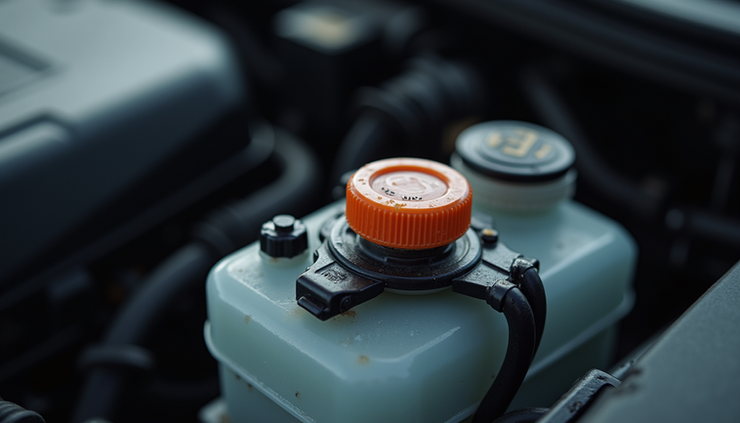
Park your vehicle on a flat surface and engage the parking brake. Open the hood and locate the brake fluid reservoir. Clean the reservoir cap area to prevent dirt from contaminating the fluid. Remove the cap and check the fluid level. Top it up if necessary.
2. Identify the Bleeder Valves
Each brake caliper or wheel cylinder has a bleeder valve. These valves are usually small nipples with a hex head. Consult your vehicle’s manual to find the exact location.
3. Attach the Clear Tubing
Place one end of the clear plastic tubing over the bleeder valve. Put the other end into a container partially filled with brake fluid. This prevents air from being sucked back into the system.
4. Start with the Wheel Furthest from the Master Cylinder
Brake systems usually bleed in a specific order. Start with the wheel farthest from the master cylinder, often the passenger rear wheel, then move to the driver rear, passenger front, and finally driver front.
5. Pump the Brake Pedal
Have your helper press the brake pedal several times and then hold it down. If you are working alone, you can use a one-person brake bleeder kit.
6. Open the Bleeder Valve
Use the wrench to open the bleeder valve slightly. Fluid and air bubbles will flow through the tubing into the container. Watch for bubbles; when the fluid runs clear without bubbles, close the valve.
7. Repeat Until No Air Remains
Repeat the pumping and valve opening process until no air bubbles appear in the fluid. Keep an eye on the brake fluid reservoir and top it up as needed to avoid running dry.
8. Move to the Next Wheel
Repeat the process for each wheel in the recommended order.
9. Finish and Test
Once all brakes are bled, tighten all bleeder valves securely. Replace the brake fluid reservoir cap. Test the brake pedal for firmness. It should feel solid and not sink when pressed.
Tips for Safe and Effective Brake Bleeding
Always use fresh brake fluid from a sealed container. Brake fluid absorbs moisture from the air, which can reduce braking performance.
Avoid spilling brake fluid on painted surfaces. It can damage paint.
Wear gloves and eye protection. Brake fluid is corrosive and can irritate skin and eyes.
If you notice persistent air bubbles or a soft pedal after bleeding, inspect the brake lines and components for leaks.
Dispose of old brake fluid properly. It is hazardous waste and should not be poured down drains.
Common Mistakes to Avoid
Letting the brake fluid reservoir run dry during bleeding. This lets air back into the system.
Not following the correct bleeding order. This can leave air trapped in the system.
Using the wrong type of brake fluid. Mixing different types can damage the brake system.
Over-tightening bleeder valves, which can strip threads or break the valve.


Comments