


Effective Troubleshooting Tips for No Heat from Vehicle Vents
- fryejs91
- Dec 23, 2025
- 3 min read

When your vehicle’s heater stops blowing warm air, it can quickly turn a comfortable drive into an uncomfortable experience, especially during cold weather. Understanding why there is no heat coming from your vehicle vents helps you identify the problem and decide whether you can fix it yourself or need professional help. This guide walks you through practical steps to troubleshoot no heat from vehicle vents, helping you get back to a warm and cozy ride.

Check the Coolant Level
One of the most common reasons for no heat in your vehicle vents is low coolant level. The heater core uses hot coolant from the engine to warm the air before it blows into the cabin. If the coolant is low, the heater core won’t get enough hot fluid to transfer heat.
Locate the coolant reservoir under the hood.
Check the coolant level against the markings on the side.
If the level is low, add the recommended type of coolant for your vehicle.
Inspect for leaks around hoses and the radiator, as leaks can cause coolant loss.
If the coolant level is fine, move on to the next step.
Inspect the Thermostat
The thermostat controls the flow of coolant through the engine and heater core. If it gets stuck open, the engine may not reach the proper operating temperature, resulting in cold air from the vents.
Signs of a faulty thermostat include:
Engine temperature gauge staying low or fluctuating.
Heater blowing cold air even after the engine warms up.
Replacing a thermostat is usually straightforward but may require some mechanical knowledge. If unsure, consult a mechanic.
Examine the Heater Core
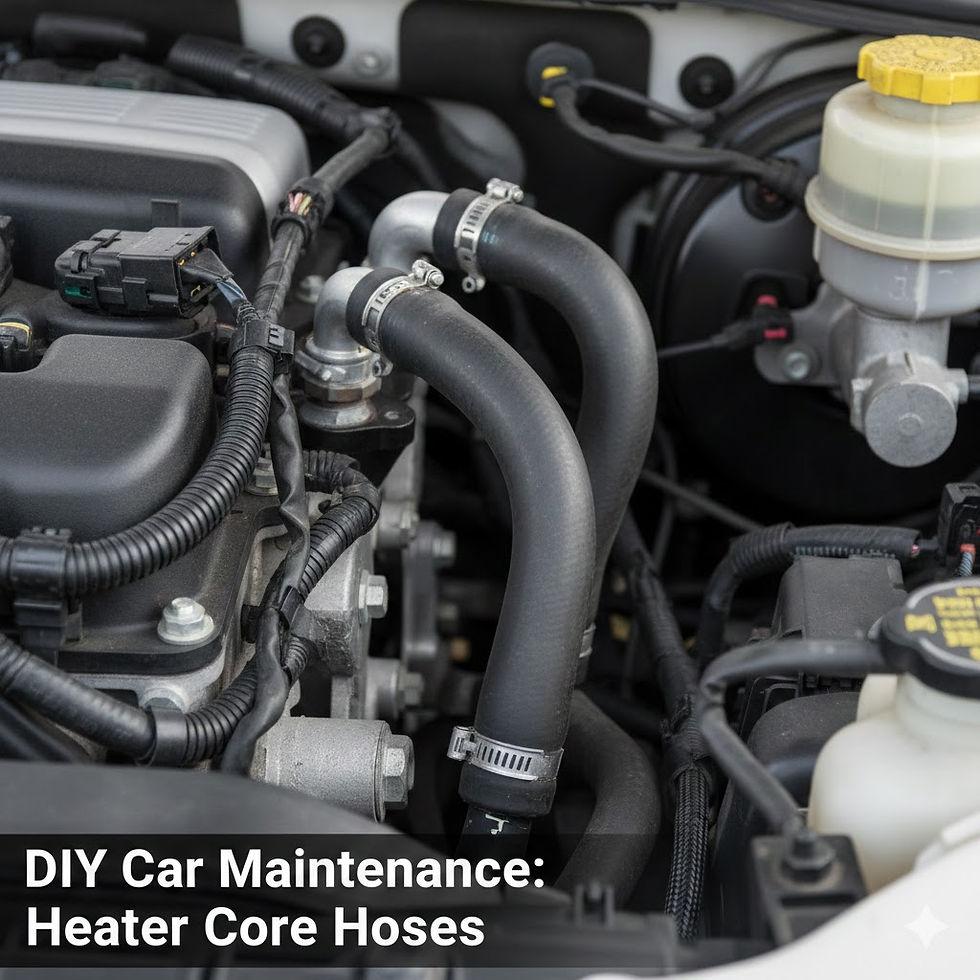
The heater core acts like a small radiator inside your dashboard. Hot coolant passes through it, and the blower fan pushes air over it to warm the cabin. If the heater core is clogged or leaking, it won’t heat the air properly.
Symptoms of a heater core problem:
No heat or weak heat from vents.
Sweet smell inside the vehicle (coolant leak).
Foggy windows or wet carpet near the passenger side.
Flushing the heater core can sometimes clear blockages. If leaking, replacement is necessary.
Verify the Blower Fan Operation
Even if the heater core is working, the blower fan must push air through the vents. If the fan is not working or only works on some settings, you may feel no heat or weak airflow.
Steps to check the blower fan:
Turn on the heater and adjust fan speeds.
Listen for the fan motor sound.
Check if air blows from the vents at all speeds.
A faulty blower motor resistor or a blown fuse can cause fan issues. Replacing these parts often restores proper airflow.
Check the Blend Door and Actuator
The blend door inside your vehicle controls whether air passes through the heater core or bypasses it. If the blend door is stuck or the actuator motor fails, you might get cold air even when the heater is on.
Signs of blend door problems:
Air temperature suddenly changes from hot to cold.
Clicking noises from the dashboard when adjusting temperature.
Inconsistent air temperature from vents.
Fixing this usually involves removing dashboard panels to access and repair or replace the blend door actuator.

Additional Tips to Consider
Check the Heater Controls: Sometimes the issue is as simple as a malfunctioning control knob or switch.
Inspect Fuses and Relays: A blown fuse or faulty relay related to the heating system can cause no heat.
Look for Air Pockets in Cooling System: Air trapped in the cooling system can prevent hot coolant from circulating properly. Bleeding the system may help.
Review Vehicle Manual: Your vehicle’s manual often includes specific troubleshooting tips and diagrams.
When to Seek Professional Help
If you have checked coolant levels, thermostat, blower fan, and blend door without success, it’s time to visit a mechanic. Complex issues like heater core replacement or electrical problems require specialized tools and expertise.
Maintaining your vehicle’s heating system is crucial for comfort and safety. Regular coolant flushes and system checks can prevent many heating problems.


Comments