


Effective Techniques to Remove a Broken Exhaust Bolt from Engine Cylinder Head
- fryejs91
- Jan 13
- 3 min read

Removing a broken exhaust bolt stuck in the engine cylinder head can be a frustrating challenge for any mechanic or car enthusiast. These bolts often seize due to heat, corrosion, or overtightening, and when they snap off, they leave behind a tough problem. Without the right approach, you risk damaging the cylinder head or the exhaust manifold. This guide offers practical, step-by-step methods to safely extract a broken exhaust bolt and get your engine back in working order.
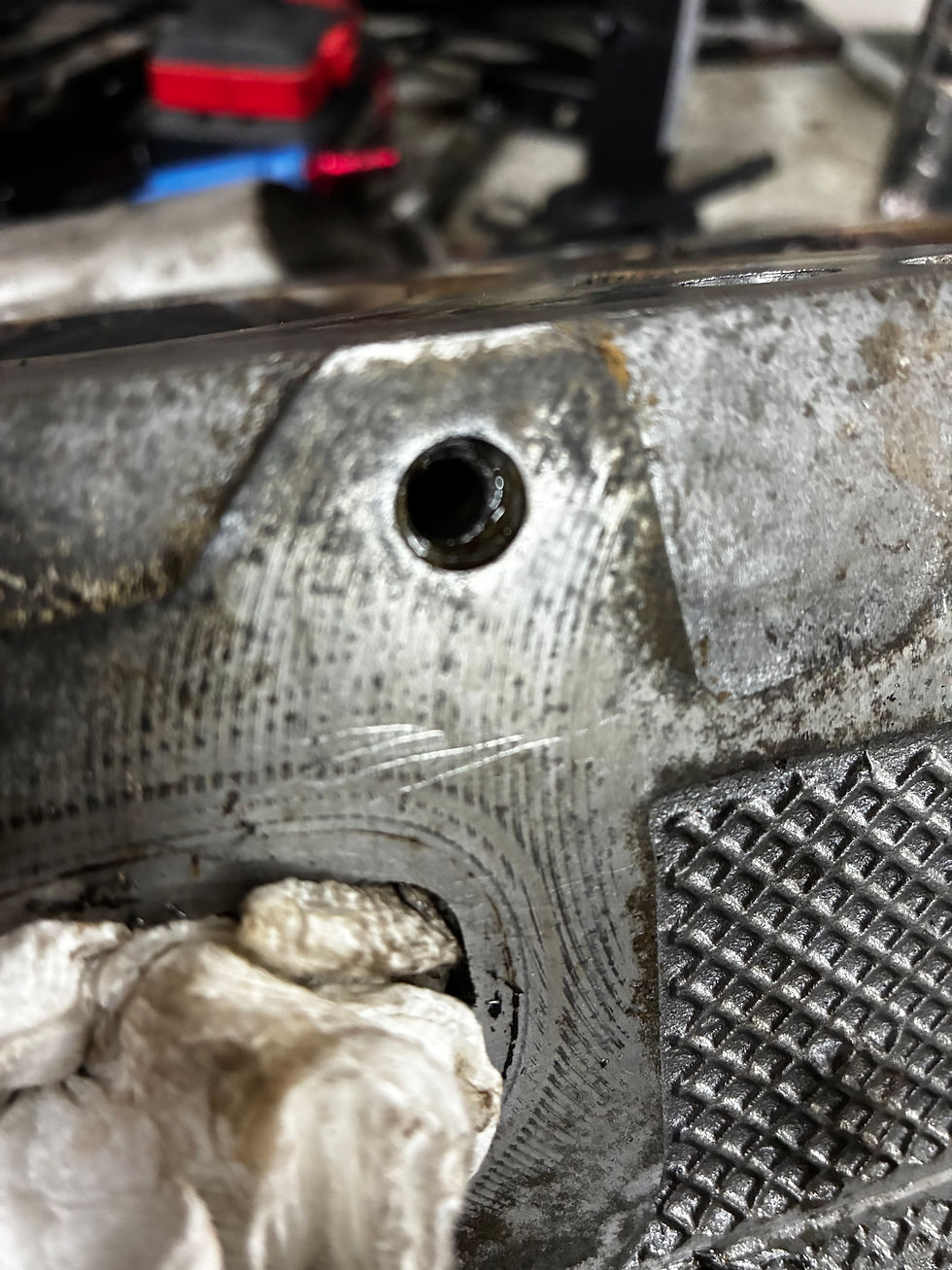
Assess the Situation Before Starting
Before jumping into removal, carefully inspect the broken bolt and surrounding area. Understanding the bolt’s size, how much is exposed, and the condition of the cylinder head will help you choose the best technique.
Check bolt exposure: Is any part of the bolt sticking out, or is it flush or recessed?
Evaluate corrosion: Rust or carbon buildup can make removal harder.
Consider access: Is there enough room to work with tools, or will parts need removal?
Gathering this information helps avoid unnecessary damage and saves time.
Basic Tools and Preparations
Having the right tools ready makes the process smoother. Here’s a list of essentials:
Center punch and hammer
Drill with various bit sizes
Left-hand drill bits (designed to drill counterclockwise)
Bolt extractor set (easy-out)
Penetrating oil (like PB Blaster or WD-40)
Heat source (propane torch or heat gun)
Safety glasses and gloves
Apply penetrating oil generously to the bolt area and let it soak for several hours or overnight. This softens rust and corrosion, making extraction easier.

Step-by-Step Techniques to Remove the Broken Bolt
1. Use a Left-Hand Drill Bit
Left-hand drill bits spin counterclockwise, the same direction to loosen bolts. Sometimes, drilling into the broken bolt with a left-hand bit causes it to unscrew naturally.
Start with a small bit to create a pilot hole in the center of the broken bolt.
Gradually increase drill bit size if needed.
Apply steady pressure and drill slowly to avoid damaging the cylinder head.
If the bolt starts to turn, continue until it backs out.
This method works best when the bolt is not too tightly seized.
2. Employ a Bolt Extractor (Easy-Out)
Bolt extractors have tapered, reverse threads that grip the inside of the drilled hole in the broken bolt.
Drill a hole in the center of the bolt using a drill bit recommended by the extractor kit.
Insert the extractor and turn it counterclockwise with a wrench.
The extractor bites into the bolt and unscrews it.
Be careful not to apply excessive force, which can break the extractor inside the bolt, complicating removal.
3. Apply Heat to Loosen the Bolt
Heat expands metal and can break the bond between the bolt and cylinder head.
Use a propane torch to heat the area around the bolt for a few minutes.
Avoid overheating to prevent damage to engine components.
After heating, apply penetrating oil again.
Try removing the bolt with pliers or extractor.
Heat works well when corrosion is severe or bolts are heavily seized.
4. Tap the Bolt with a Center Punch
Sometimes, gently tapping the bolt can loosen rust or debris.
Place a center punch on the bolt’s center.
Tap lightly with a hammer to create a small indentation.
This indentation helps guide the drill bit and can break corrosion bonds.
Use this method before drilling to improve accuracy and reduce slipping.
5. Use a Screw Extractor Drill Bit Set
These combine drilling and extraction in one tool.
Drill into the bolt with the extractor bit.
The bit’s reverse threads grip and turn the bolt out as you drill.
This method requires a steady hand and the right drill speed.

When to Seek Professional Help
If these methods fail or you feel unsure, it’s wise to consult a professional mechanic. Forcing tools or using improper techniques can damage the cylinder head, leading to costly repairs. Professionals have specialized tools like hydraulic bolt extractors and can perform precision machining if needed.
Tips to Prevent Future Bolt Breakage
Use anti-seize lubricant on bolts before installation.
Avoid overtightening by using a torque wrench.
Replace bolts that show signs of corrosion or wear.
Regularly inspect exhaust components for rust buildup.


Comments